Commercial Bathroom Stall Installation and Maintenance Tips sets the stage for this informative guide, offering readers valuable insights into the intricacies of installing and maintaining bathroom stalls in commercial settings. From step-by-step installation processes to essential maintenance tips, this article covers everything you need to know to ensure the longevity and functionality of your bathroom stalls.
As we delve deeper into each aspect of installation, maintenance, material selection, and accessibility considerations, you will discover practical advice and expert recommendations to enhance the efficiency and aesthetics of your commercial bathroom stalls.
Commercial Bathroom Stall Installation
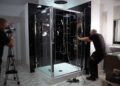
Installing commercial bathroom stalls requires careful planning and precision to ensure a sturdy and functional end result. Here is a step-by-step guide on how to properly install commercial bathroom stalls:Step-by-Step Installation Process
- Start by measuring the space where the bathroom stall will be installed to ensure proper fit and alignment.
- Mark the locations for the stall partitions, doors, and hardware according to the layout plan.
- Secure the floor-mounted pilasters in place using anchors and screws, ensuring they are level and plumb.
- Attach the panels to the pilasters, making sure they are aligned correctly and securely fastened.
- Install the doors and hardware, such as hinges and latches, following the manufacturer's instructions.
- Check the alignment and stability of the entire stall structure before finalizing the installation.
Tips for Proper Alignment and Stability
- Use a level to ensure all components are installed straight and evenly.
- Double-check measurements and markings before drilling or fastening any parts.
- Secure all connections tightly to prevent wobbling or shifting over time.
- Consider using adjustable feet or shims to correct any uneven surfaces that could affect stability.
Following Building Codes and Regulations
- It is crucial to adhere to local building codes and regulations when installing commercial bathroom stalls to ensure compliance and safety.
- Consult with a professional or inspector to confirm that the installation meets all required standards.
- Failure to follow building codes could result in costly fines or the need to redo the installation.
Recommended Tools and Equipment
- Drill with appropriate drill bits
- Level
- Tape measure
- Screwdriver or screw gun
- Adjustable wrench
- Shims or spacers
Commercial Bathroom Stall Maintenance
Regular maintenance is crucial for ensuring the longevity and functionality of commercial bathroom stalls. By following a consistent maintenance schedule and addressing common issues promptly, you can keep your restroom facilities in top condition. Maintaining cleanliness and hygiene is also essential for creating a positive experience for users and preventing the spread of germs. Here are some tips to help you maintain your commercial bathroom stalls effectively.Regular Maintenance Schedule
- Inspect stalls daily for any damage, graffiti, or malfunctioning components.
- Clean stalls thoroughly with appropriate cleaning solutions to prevent the buildup of dirt and grime.
- Check and tighten any loose screws or hardware to ensure stability.
- Replace any broken or missing parts promptly to prevent further damage.
Common Issues and Troubleshooting
- If the stall door is not closing properly, check for obstructions in the track or hinges.
- For issues with the locking mechanism, lubricate or replace the lock as needed.
- If there are leaks or water damage, inspect the seals and caulking for signs of wear and tear.
- To address graffiti, use appropriate cleaning products and techniques to remove markings without damaging the stall materials.
Importance of Cleanliness and Hygiene
Maintaining a clean and hygienic environment in your commercial bathroom stalls is essential for the health and safety of your customers and employees. Regular cleaning and disinfection help prevent the spread of germs and bacteria, creating a more pleasant restroom experience for everyone.Tips for Extending Lifespan of Materials
- Use mild cleaning solutions and soft cloths to avoid scratching or damaging the stall materials.
- Avoid using harsh chemicals or abrasive tools that can degrade the finish or color of the stalls.
- Regularly inspect and repair any damages to prevent further deterioration of the materials.
- Consider applying protective coatings or sealants to enhance the durability of the stall surfaces.
Material Selection for Commercial Bathroom Stalls
When it comes to choosing the right material for commercial bathroom stalls, there are several options available, each with its own set of pros and cons. It's essential to consider factors such as durability, cost, maintenance requirements, and environmental impact when making this decision.Stainless Steel
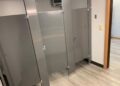
Stainless steel is a popular choice for commercial bathroom stalls due to its durability and sleek appearance. It is resistant to corrosion, easy to clean, and has a modern aesthetic. However, stainless steel can be more expensive than other materials, and it may show fingerprints and water spots more easily.Plastic Laminate
Plastic laminate is a budget-friendly option that comes in a variety of colors and patterns, making it easy to customize the look of your bathroom stallsPhenolic
Phenolic bathroom stalls are known for their strength and resistance to water, humidity, and vandalism. This material is highly durable and low maintenance, making it a great choice for commercial spaces that experience heavy use. However, phenolic stalls can be more costly upfront.Choosing the Right Material
When selecting the material for commercial bathroom stalls, consider the level of traffic the restroom receives, budget constraints, and desired aesthetics. If sustainability is a priority, look for materials that are eco-friendly, such as recycled plastic or bamboo-based options.Accessibility Considerations in Commercial Bathroom Stall Design
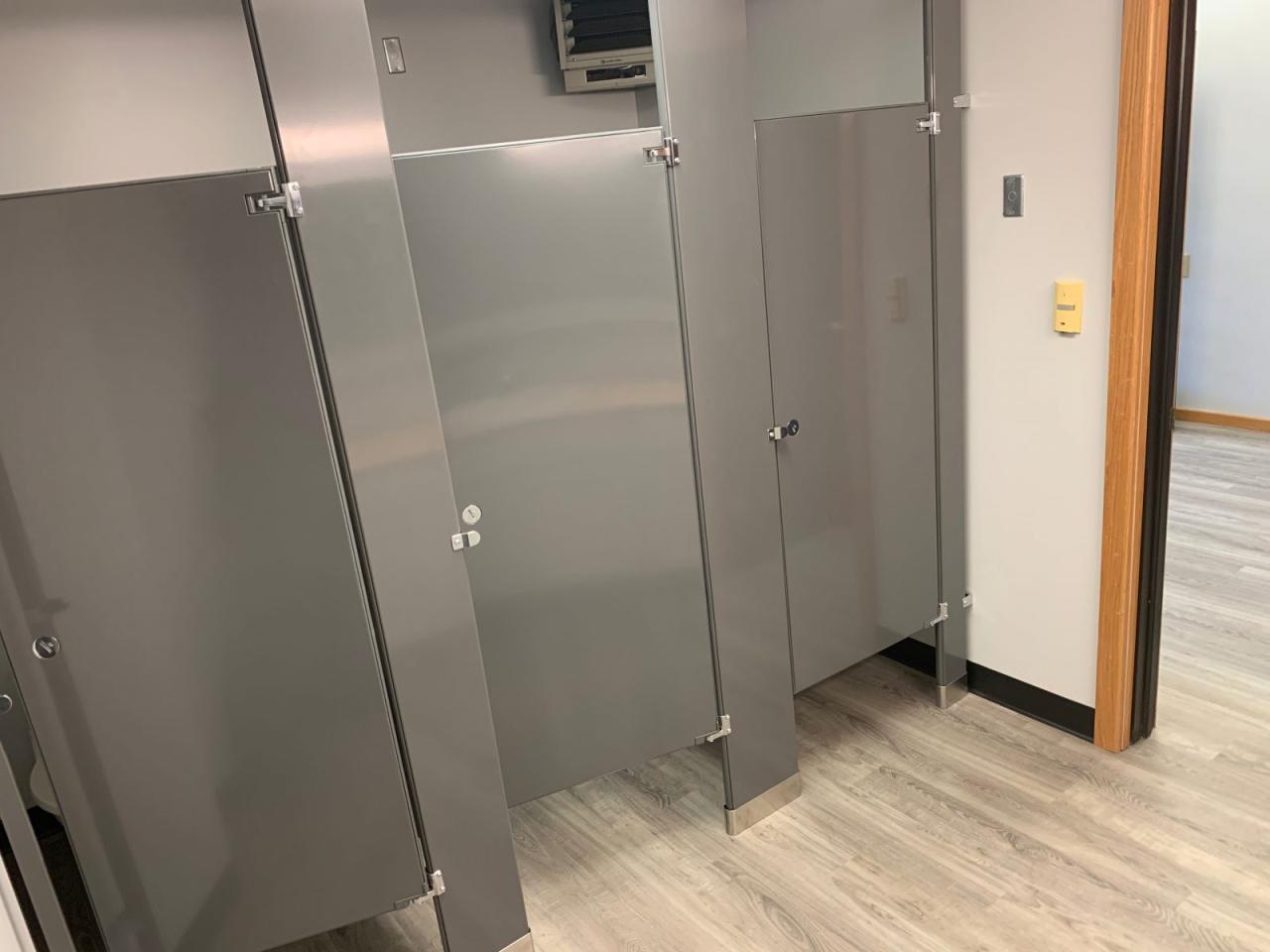 Accessibility is a crucial aspect to consider when designing commercial bathroom stalls. Ensuring that these spaces are inclusive and user-friendly for individuals with disabilities is not only a legal requirement but also a moral obligation. By complying with accessibility guidelines such as the ADA requirements, businesses can create a welcoming environment for all patrons.
Importance of ADA Compliance
- ADA compliance is mandatory to ensure that individuals with disabilities have equal access to facilities.
- It promotes inclusivity and demonstrates a commitment to diversity and equality.
- Non-compliance can result in legal consequences and damage to the reputation of the business.
Design Features for Improved Accessibility
- Wider stall doors to accommodate wheelchairs and mobility aids.
- Grab bars for support and stability.
- Lowered toilet paper dispensers and coat hooks for easy reach.
- Non-slip flooring to prevent accidents.
Tips for Inclusive Bathroom Stall Design
- Provide at least one accessible stall per restroom to meet ADA requirements.
- Ensure clear signage indicating the location of accessible stalls.
- Consider installing automatic door openers for ease of access.
- Choose contrasting colors for walls, floors, and fixtures to aid individuals with visual impairments.
Best Practices for Aesthetically Pleasing Accessibility
- Incorporate accessibility features seamlessly into the overall design of the restroom.
- Choose stylish grab bars and fixtures that complement the aesthetic of the space.
- Opt for high-quality, durable materials that are both functional and visually appealing.
Wrap-Up
In conclusion, mastering the art of commercial bathroom stall installation and maintenance is crucial for providing a pleasant and functional restroom experience for patrons. By following the tips and guidelines Artikeld in this article, you can elevate the quality and longevity of your bathroom stalls while adhering to industry standards and regulations. Implement these strategies to create a welcoming and accessible restroom environment that reflects the professionalism of your commercial space.
Clarifying Questions
What are some common tools needed for installing commercial bathroom stalls?
Common tools include a drill, level, screwdriver, measuring tape, and wrench. These tools are essential for ensuring accurate installation and proper alignment of bathroom stall components.
How often should commercial bathroom stalls be maintained?
Commercial bathroom stalls should be maintained regularly, ideally on a monthly basis. This routine upkeep helps prevent major issues and ensures the longevity of the stalls.
Which material is best for commercial bathroom stalls in terms of durability?
Stainless steel is often considered the most durable material for commercial bathroom stalls due to its resistance to corrosion and wear. It is a popular choice for high-traffic restroom facilities.
How can commercial bathroom stalls be made more accessible for individuals with disabilities?
Installing grab bars, ensuring sufficient space for wheelchair maneuverability, and incorporating accessible door hardware are some ways to enhance accessibility in commercial bathroom stalls.